You have no items in your shopping cart.

All Courses

Large Lithium-Ion Battery Systems Part 5 of 6: Safe Disposal (US)
Lithium-ion batteries can be a fire hazard even when they are no longer useful in powering equipment and products. Lithium-ion batteries for disposal are considered hazardous waste and must be disposed of properly to avoid harm to people, property and the environment. Take this course to learn about the regulations that govern safe environmental management and disposal of lithium-ion batteries, disposal options, and how to prepare batteries for disposal. Ideal learners are battery manufacturers and frontline workers, shipping and receiving staff, warehouse staff, engineers, installers, service technicians, and other personnel who interact with lithium-ion batteries.
$29.95
Large Lithium-Ion Battery Systems Part 6 of 6: Incident Preparedness and Response Planning
While lithium-ion batteries provide an effective and efficient source of power, the likelihood of them overheating, catching on fire, and even leading to explosions increases when they are damaged or improperly used, charged or stored. When incidents happen, it's important that you are prepared to handle them. Take this course to learn what you can do to prepare for an incident involving lithium-ion batteries. This course is ideal for manufacturers and frontline workers, shipping and receiving staff, warehouse staff, engineers, installers, service technicians and other personnel who interact with lithium-ion batteries.
$29.95
Laser Safety Awareness
Lasers can present a variety of potentially serious hazards, including hazardous biological or chemical fumes given off by materials being lased and injury to the eyes and the skin from laser radiation. Lethal electrical and fire hazards can also be present with high-powered lasers. This course outlines the hazards that lasers present as well as how to work safely with and around them.
$29.95
Laser Safety Awareness (Chinese)
激光可存在多种潜在的严重危害,包括受激光照射材料所释放出的有害生物或化学烟雾以及激光辐射对眼睛及皮肤造成的伤害。高功率激光还存在致命的电气及火灾隐患。本课程概述了激光存在的危害及如何安全使用激光以及在其周围工作。
$29.95
Laser Safety Awareness (Spanish)
Los láseres pueden presentar una variedad de riesgos potencialmente graves, incluyendo humos biológicos o químicos peligrosos emitidos por materiales que se someten a láser y lesiones en los ojos y la piel a causa de la radiación láser. Con los láseres de alta potencia también se pueden presentar riesgos eléctricos y de incendio. Este curso describe los riesgos que presentan los láseres y cómo trabajar de forma segura con y alrededor de ellos.
$29.95
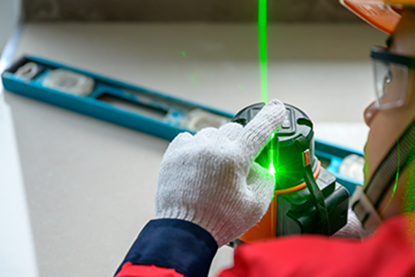
Laser Safety: Operators
Lasers produce a highly directional beam of light. Under certain conditions, laser radiation can cause eye or skin injury. Take this course to learn about the operating principles of lasers and laser systems, the biological effects of laser radiation exposure, and laser hazard control measures. This course is ideal for people who work with lasers or around Class 3R and higher lasers. It should be combined with site-specific and hands-on training.
$29.95