You have no items in your shopping cart.

NON-OSHA
Excludes OSHA Content

Defensive Driving - Large Vehicles
Most vehicle accidents are actually the result of human error. If an error is made at the wrong moment, an accident or collision will result. A consistent, defensive approach to driving is the best way to reduce the likelihood of driver error. The goal of this course is to provide drivers of large vehicles with the knowledge and safe driving techniques they need to prevent collisions and violations.
$29.95
Safe Vehicle Operations (US)
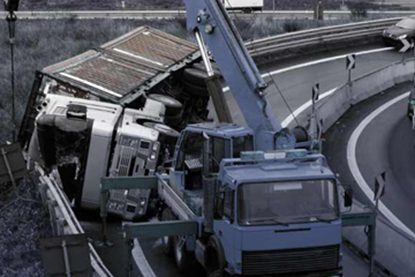
This course educates commercial vehicle operators and other personnel at trucking companies about how to avoid accidents caused by speeding, following other vehicles too closely and executing turns incorrectly.
$29.95
Radiofrequency (RF) Training
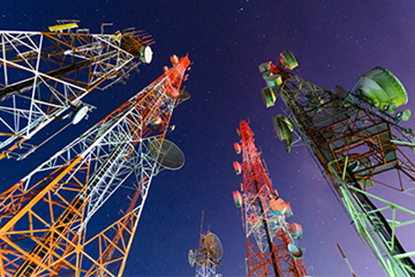
Radiofrequency (RF) is an invisible energy that we use in most wireless equipment and devices, such as those for communication and heating. Although it has many important uses, RF energy also has risks that you need to understand and avoid. Take this course to learn what RF energy is, where you may find it, its hazards, how to avoid them and what to do if you've been overexposed. This course is ideal for anyone who may be exposed to RF energy.
$29.95

Fire Watch
Every year, many workplace fires occur as a result of hot work including cutting, welding and other work that generates heat and sparks. Hot work is often being done without an adequate fire watch in place. Most, if not all, hot work incidents are completely preventable. A fire watch, conducted properly, is one of the most important ways to keep workers safe during hot work and prevent damage and destruction to property. This course covers the role and responsibilities of the fire watcher. Ideal learners are all employees.
$29.95

Transportation of Dangerous Goods (Canada)
The dangers associated with hazardous goods are magnified when people transport them since they are in motion and may be exposed to dangerous conditions. The Canadian government enacted the Transportation of Dangerous Goods (TDG) Act to promote public safety. Everyone who transports hazardous goods needs to know what they are handling, what the dangers are and what to do in case of an emergency. Take this course as an overview to TDG regulations. Ideal learners include anyone who is involved in shipping or receiving dangerous goods.
$29.95
Load Securement and Distribution (US)
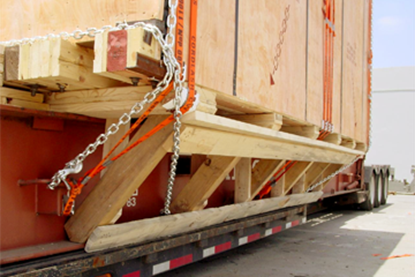
The North American Cargo Securement Standard forms the basis for the cargo securement and distribution regulations in the United States and Canada. The regulations are designed to ensure cargo stays in place, keeping drivers and other motorists safe. This training details the securement regulations for most types of cargo.
$29.95