You have no items in your shopping cart.

NON-OSHA
Excludes OSHA Content

Hand, Wrist and Finger Safety
Enjoying your hobbies. Checking your phone. Getting ready in the morning. Your hands help you do a remarkable variety of tasks. Throughout the workday, your hands can encounter any number of hazards. Fortunately, many hand and wrist injuries are preventable. This course will present potential hand, wrist and finger hazards, as well as the steps to take to avoid them. Ideal learners include all employees.
$29.95

Crane Operator Safety
You can avoid accidents involving cranes by ensuring safe setup and operation. Take this course to learn some basic information about safe crane operating procedures. This course provides safety information that supplements crane operator training. Crane operators must receive hands-on instruction for the cranes they will be operating. Ideal learners are all workers involved in the operation of cranes.
$29.95
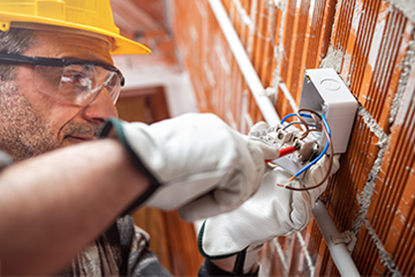
Applying Electrical Standards (US)
Electrical standards do not just help you comply with the law, they keep you safe! You are already familiar with electrical terms and hazards. Take this course to learn about NFPA 70E and what it means for you. Stay compliant and stay safe! Ideal learners are people in all industries, particularly supervisors, electrical workers and safety managers.
$29.95
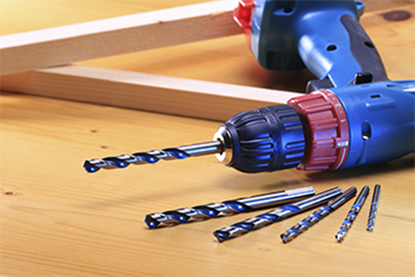
Hand and Power Tool Safety
Most of us use tools in our daily work. But do you realize how dangerous tools can be if they are not handled correctly? This training focuses on the importance of hand and power tool safety, the hazards that can lead to injuries and deaths, and the precautions needed to work safely with these tools. Ideal learners are anyone who works with tools.
$29.95

Distracted Driving
When you are driving, taking your eyes and mind off the road for even a few seconds can result in an accident. By failing to give full attention to the road, distracted drivers put themselves, their passengers and everyone else on the road at risk. This course presents strategies drivers can use to remain focused on the road. It is ideal for all drivers.
$29.95
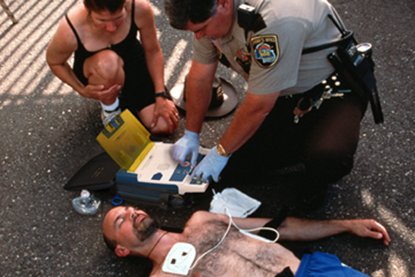
Cardiopulmonary Resuscitation (CPR) Training (US)
Incidents requiring CPR can happen anywhere and at any time. The first response to such an incident is the most important. CPR given at the scene can improve the chances of survival and recovery of a victim. This course will demonstrate how to recognize and respond to a severe life-threatening emergency until the Emergency Medical Services (EMS) personnel arrive.
$29.95