You have no items in your shopping cart.

NON-OSHA
Excludes OSHA Content

Fire Watch
Every year, many workplace fires occur as a result of hot work including cutting, welding and other work that generates heat and sparks. Hot work is often being done without an adequate fire watch in place. Most, if not all, hot work incidents are completely preventable. A fire watch, conducted properly, is one of the most important ways to keep workers safe during hot work and prevent damage and destruction to property. This course covers the role and responsibilities of the fire watcher. Ideal learners are all employees.
$29.95

Transportation of Dangerous Goods (Canada)
The dangers associated with hazardous goods are magnified when people transport them since they are in motion and may be exposed to dangerous conditions. The Canadian government enacted the Transportation of Dangerous Goods (TDG) Act to promote public safety. Everyone who transports hazardous goods needs to know what they are handling, what the dangers are and what to do in case of an emergency. Take this course as an overview to TDG regulations. Ideal learners include anyone who is involved in shipping or receiving dangerous goods.
$29.95

Load Securement and Distribution (US)
The North American Cargo Securement Standard forms the basis for the cargo securement and distribution regulations in the United States and Canada. The regulations are designed to ensure cargo stays in place, keeping drivers and other motorists safe. This training details the securement regulations for most types of cargo.
$29.95
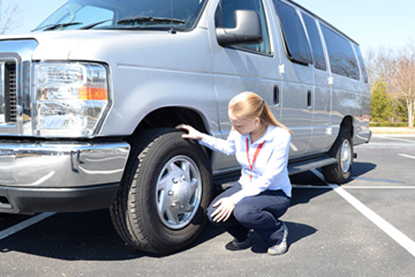
15-Passenger Van Safety
Driving a van is not like driving a car. 15-passenger vans are more susceptible to rollovers, blind spots, weight distribution issues and special handling requirements. Take this course to learn the things you need to know about driving a 15-passenger van so you can prevent avoidable collisions and injuries. Make sure you and your passengers reach your destination. Ideal learners are 15-passenger van drivers.
$29.95
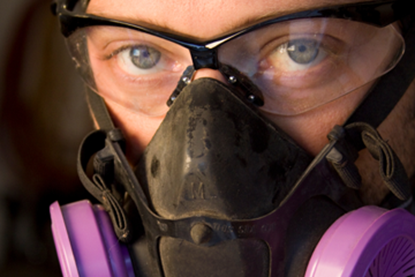
Arsenic Awareness (US)
OSHA requires inorganic arsenic training whenever employees are exposed to arsenic at or above a certain level. This course explains the possible health effects related to inorganic arsenic and how to reduce and/or eliminate the exposures that can lead to these health effects.
$29.95

Overhead and Gantry Crane Safety
Anyone who works with cranes knows not to underestimate the daily risk of collapse, electrical accidents, falls and other serious incidents. The power that makes overhead, gantry and similar cranes so useful also makes them dangerous. By properly maintaining and operating the cranes with which you work, you can protect yourself and your co-workers. Ideal learners are crane operators and their supervisors.
$29.95