You have no items in your shopping cart.

NON-OSHA
Excludes OSHA Content
Access to Medical and Exposure Records for Employees (US)
The law requires your employer to provide you with access to your medical and exposure records. Why should you care? How do you get access? Take this course to find out! This course is ideal for all employees.
$29.95
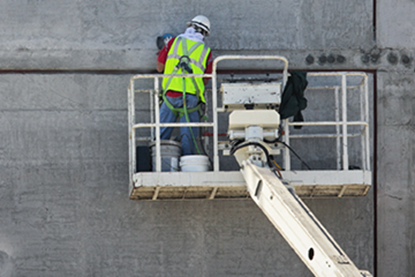
Mobile Elevated Work Platforms
When you cannot move work to ground level, mobile elevated work platforms, or MEWPs, such as aerial, scissor and vertical mast lifts, may be an appropriate solution. Each type has its own unique characteristics and safety strategies of which you need to be aware. You will receive hands-on training about the specific equipment you will use, but this course will lay the groundwork by giving you an overview of some universal considerations for mobile elevated work platforms. This course is ideal for people who use or manage others who use mobile elevated work platforms.
$29.95

Applying Electrical Standards (US)
Electrical standards do not just help you comply with the law, they keep you safe! You are already familiar with electrical terms and hazards. Take this course to learn about NFPA 70E and what it means for you. Stay compliant and stay safe! Ideal learners are people in all industries, particularly supervisors, electrical workers and safety managers.
$29.95

Arsenic Awareness (US)
OSHA requires inorganic arsenic training whenever employees are exposed to arsenic at or above a certain level. This course explains the possible health effects related to inorganic arsenic and how to reduce and/or eliminate the exposures that can lead to these health effects.
$29.95
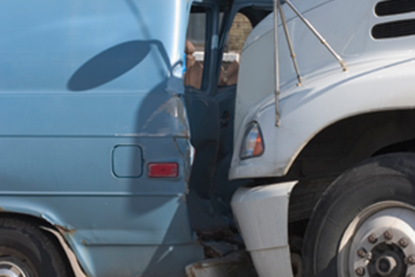
Avoiding Rear-end Collisions - Light Vehicles (US)
Rear-end collisions can be very serious since the vehicle that is struck from behind is usually stopped or moving very slowly while the other vehicle is in motion. The potential for catastrophe is amplified when the vehicle in motion is a van or truck and the vehicle that is struck is a smaller vehicle such as an automobile. This course focuses on the common causes of rear-end collisions and what drivers of light commercial vehicles can do to reduce their risk of being involved in such a collision.
$29.95

Battery and Charger Safety (US)
Batteries provide electric power for equipment like forklifts, narrow-aisle trucks, airport vehicles, electric buses, autos and golf cars. When used properly, batteries are a safe and reliable source of power. As with any power source, there are some hazards. This lesson covers these hazards, including electrical shock, corrosive chemical exposure and battery handling.
$29.95